
Media Maven: In Conversation With Daniel St. Germaine
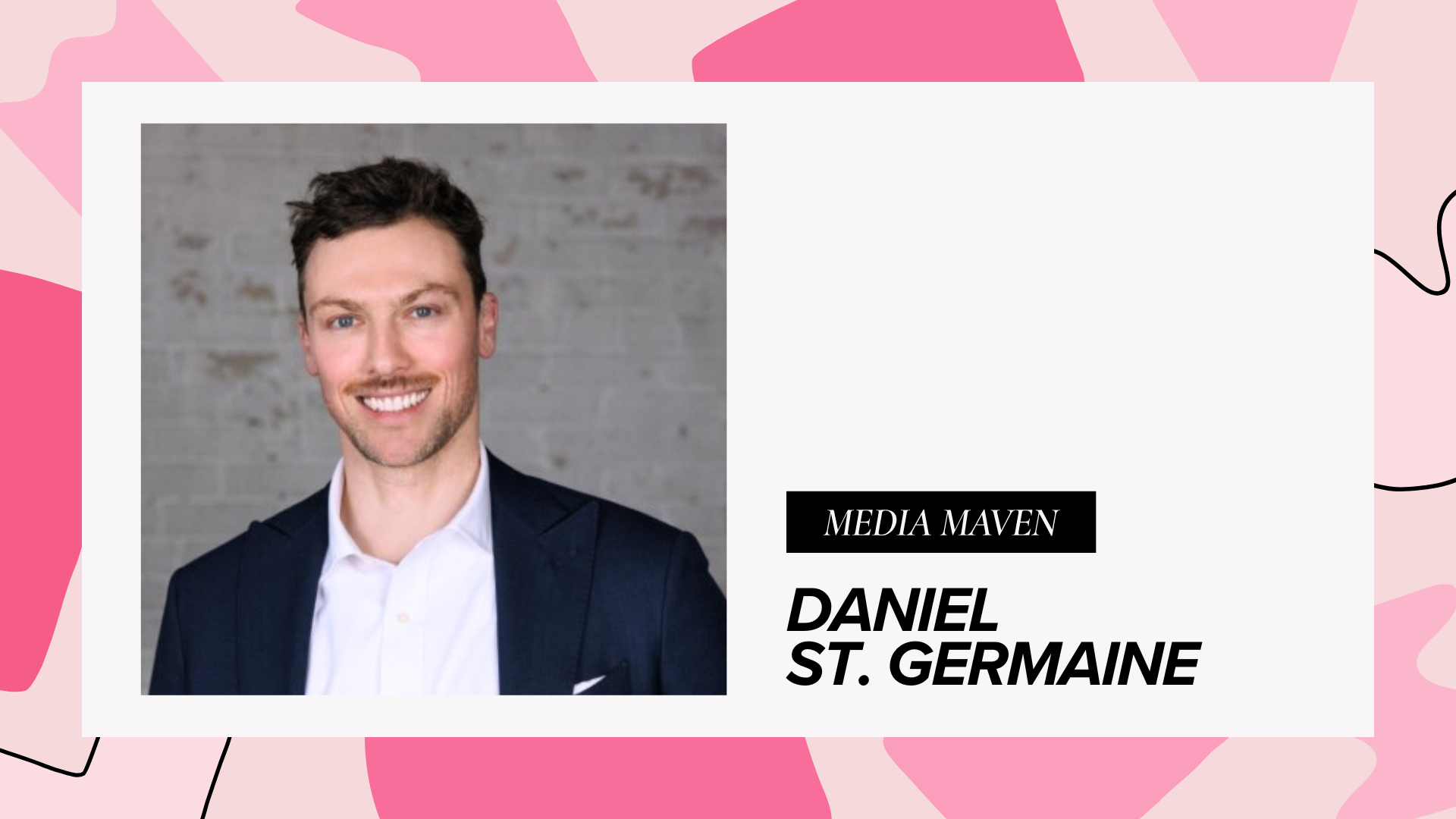
For Daniel St. Germaine, working in communications was a plot twist that stuck — and we’re so glad it did. What started as a short-term detour quickly turned into a career defined by quick thinking, deep curiosity, and an instinct for following work that actually means something. Over the years, we’ve had the chance to collaborate with Daniel across projects and platforms, and he’s one of those rare people who brings both sharp strategy and real heart to everything he touches.
From the fast-paced agency life to his current role shaping the national conversation on women’s health at Women’s Health Collective Canada, Daniel’s path has always been guided by energy, purpose, and people. In this conversation, he shares how passion became his north star, the tools he can’t live without (including one very analog favourite), and the simple reset that matters most — logging off and getting outside.
Cleo: Daniel, you have such a storied past in your field! From managing arts and culture clients like the Shaw Festival and Perrier to leading NGO work in Nepal, we can only imagine how much your years of experience in public relations and marketing have taught you. But we want to know, what drew you to the industry to begin with?
Daniel: Total serendipity. I actually set out to become a lawyer. While preparing applications for law school, I took what I thought would be a short-term job at a communications agency, and that detour changed everything.
I started in sponsorship before moving into PR, largely thanks to a VP who took a chance on me. I helped her navigate her BlackBerry (which, at the time, felt like highly specialized technical support), and she seemed to appreciate my energy and our rapport. She encouraged me to move into her team and was an incredible mentor.
I remember an early experience was when I was given the opportunity to pitch media for a client, and I landed a print story in the Toronto Star. Some lucky timing on my part I suspect. Seeing something I had worked on appear in the news was exciting. I still have the clipping. There was something powerful about shaping a narrative and watching it move into the public sphere. Law school quietly faded into the background after that.
So yes, almost completely by accident. But once I found it, I never looked back.
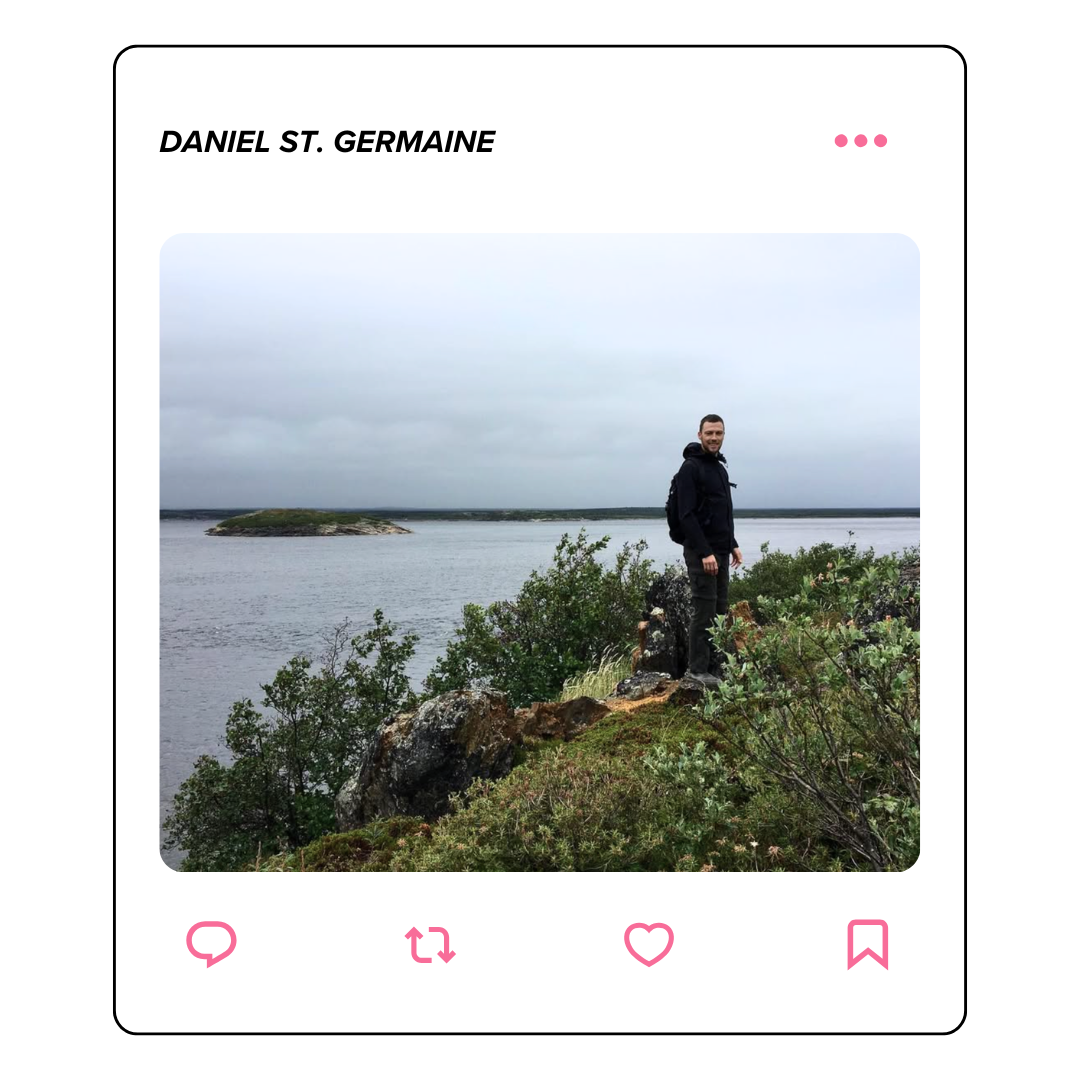
Cleo: You’ve spent the last year as Director of Marketing, Communications, and Brand at Women’s Health Collective Canada (WHCC)– an incredible organization dedicated to driving progress in women’s health research and advancing health equity across Canada. What has making the jump from Account Director at your former agency, A&C, to this new title been like?
Daniel: Agency life sharpens you. You touch many sectors, you move quickly, and you learn to find something interesting in everything. Over the years, I’ve worked across arts and culture, grocery, wine and spirits, solar energy, health, fashion, tech. You name it I’ve pitched it. But what I’m appreciating deeply in this chapter is focus.
At Women’s Health Collective Canada, I get to think about one topic all day: women’s health. And while that may sound narrow, it’s anything but. It’s a huge field. Being able to stay within one domain long enough to build depth, institutional memory, and strategic continuity has been incredibly rewarding. And so interesting.
Agency work builds range. This role is building depth. And that feels meaningful.
Cleo: You seem to pick roles and projects that have a lot of soul, always siding with passion over passivity. Why do you think this is, and has anything or anyone influenced you to go this route?
Daniel: It’s about picking projects that keep me interested and engaged.
Some of that has absolutely been luck. I’ve been very lucky to land roles and clients that captured my curiosity. But I’m also determined to find something compelling in whatever I’m working on. There’s always an interesting puzzle to solve, whether it’s strategic, creative, or relational. I’ve also made conscious choices to stay where there’s energy, creativity, or purpose. That doesn’t mean every day is glamorous. Far from it. There’s plenty of grind in any role.
I couldn’t point to a single influence overall. It’s less about inspiration and more about prioritization. Different people prioritize different things in their careers – stability, prestige, compensation, pace. For me, it’s been about what interests and resonates with me. If I’m going to invest my time and energy somewhere, I want to believe in what I’m building and for it to have some broader meaning.
Truly, it’s a lot of good fortune. I’m lucky to have these opportunities and to be able to make these choices. Not everyone can.
Cleo: What has working with a not-for-profit, registered charity organization taught you about the importance of having a social media presence?
Daniel: It’s completely reframed how I think about social media. In my personal life, social platforms are about connection — staying in touch with friends and keeping up with the world. In the nonprofit space, they’re also about information, visibility, and trust.
In women’s health especially, people are actively looking for credible information. They’re searching for answers, community, and reassurance that they’re not alone in what they’re experiencing. Social media becomes a gateway to evidence-based knowledge and a space where shared experience reduces isolation.
There’s also a strategic dimension. For donors and supporters, visibility signals momentum. It shows that the organization is active, advancing, and advocating for change. Consistent presence reinforces credibility and progress.
Cleo: As the person behind all of WHCC’s communications, your job must require a range of digital tools. Which ones are part of your daily marketing stack?
Daniel: The obvious ones: Teams, email, Slack, and Google Workspace.
Canva is indispensable for quick-turn creative. And ChatGPT has become a powerful work partner, particularly for refining language and organizing my thinking. One of my favorite uses is dictating creative feedback verbally and having it structured into clear, usable notes. It saves time and preserves nuance.
I’ll add a non-digital tool: the phone. I grew up professionally in an agency environment where calling journalists wasn’t optional. It was the job. While so much has shifted to digital communication, I still believe in the phone for anything requiring clarity, subtlety, or relationship-building. Sometimes the fastest way forward is to talk.
Cleo: What are some of the most exciting projects you’ve worked on so far?
Daniel: There have been quite a few. Managing public relations for Art Toronto, the Toronto International Art Fair, stands out. It combined creativity, relationship-building and some of my personal interests.
Leading marketing and communications for the Indigenous Fashion Arts Festival was another highlight. It was deeply community-driven and meaningful, and seeing it resonate publicly was incredibly rewarding.
I once did a ribbon cutting event for a piece of public art called CAMPFIRE. Possibly one of my favourite events I’ve ever done because of how the community showed up to support the artists.
But this current chapter feels different in scale and significance.
At Women’s Health Collective Canada, we’re building national infrastructure. We’re planning Vitally Important: National Women’s Health Summit, taking place March 24–25 in Toronto — a two-day gathering focused on closing research gaps and accelerating progress in women’s health. Alongside that, we launched Vital Talks, a seminar series spotlighting the science shaping better care for women. Our upcoming March 11 session explores hormones and how they influence health across a woman’s lifespan — from cardiovascular risk to metabolism to menstrual health.
What excites me most, though, is the work of growing the organization itself. Building brand clarity, expanding our reach, strengthening partnerships, and helping position women’s health as economic and social infrastructure in Canada. That’s long-term, systems-level work. It’s not just about one campaign or one event. It’s about shaping a narrative that shifts how people think and ultimately people’s quality of life.
Cleo: Lastly, what's your favourite way to take a break from work?
Daniel: The gym. I’m a self-described “aspiring gym guy,” but working out is my reset button. It clears my head, burns off extra energy, and makes everything else function better, including sleep.
And when I’m not there: being by the water, watching a sunset with friends, a good cackle. After a day of strategy and screens, something simple and physical helps.
Sometimes you just need to log off and go outside.